Begin with people and bags
Count every passenger, including children, then list luggage by size. A large checked suitcase, a folding pushchair and a set of golf clubs do not use space in the same way. Send dimensions for bulky items instead of relying only on a bag count.
The vehicle-class page provides planning capacities. Exact luggage fit, seating configuration and the class available locally need confirmation. Do not plan to carry loose luggage on passenger seats.
Match the class to the purpose
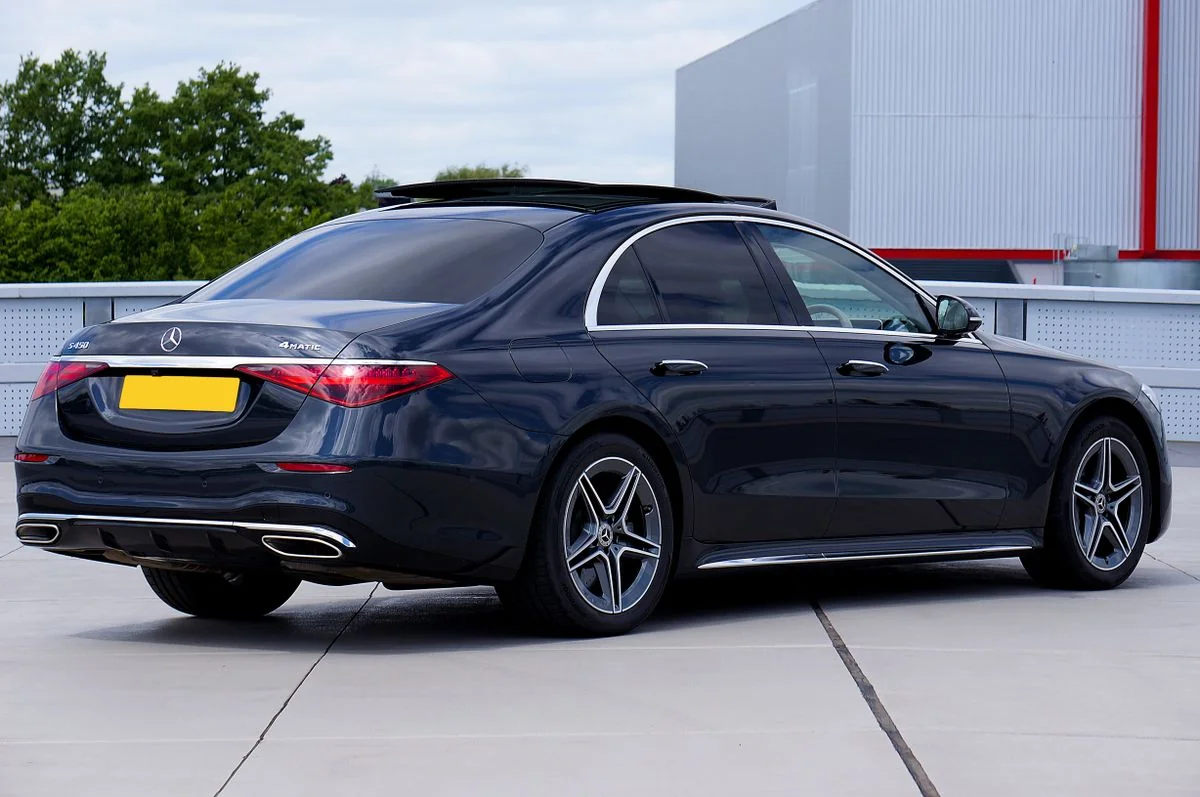
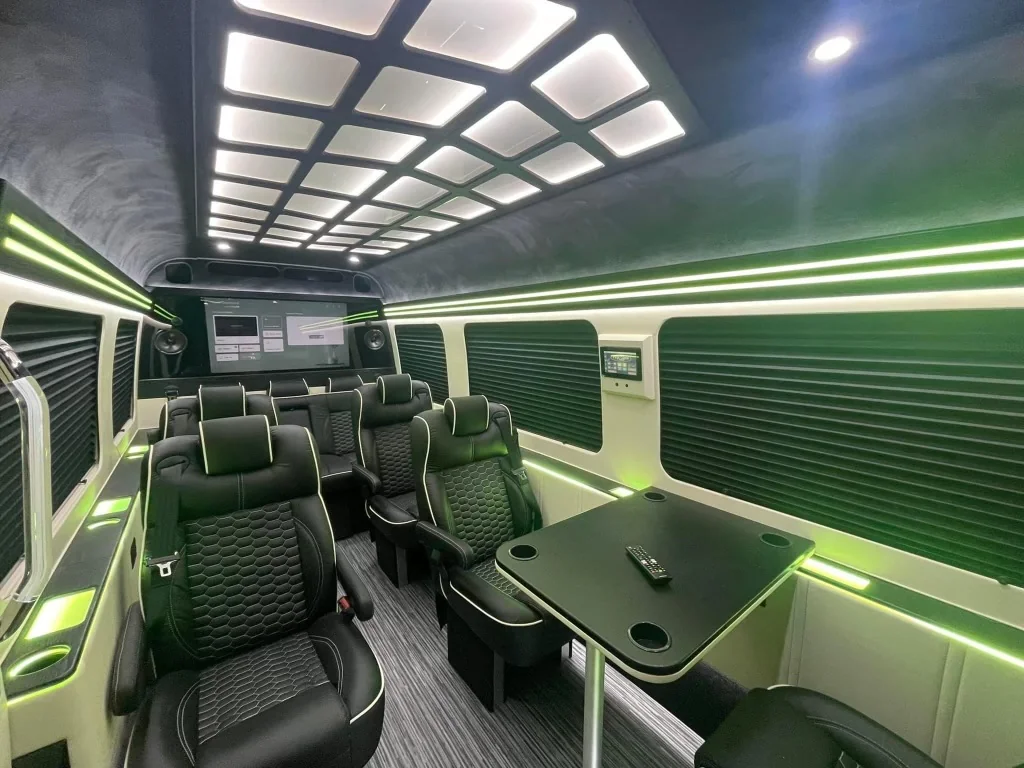
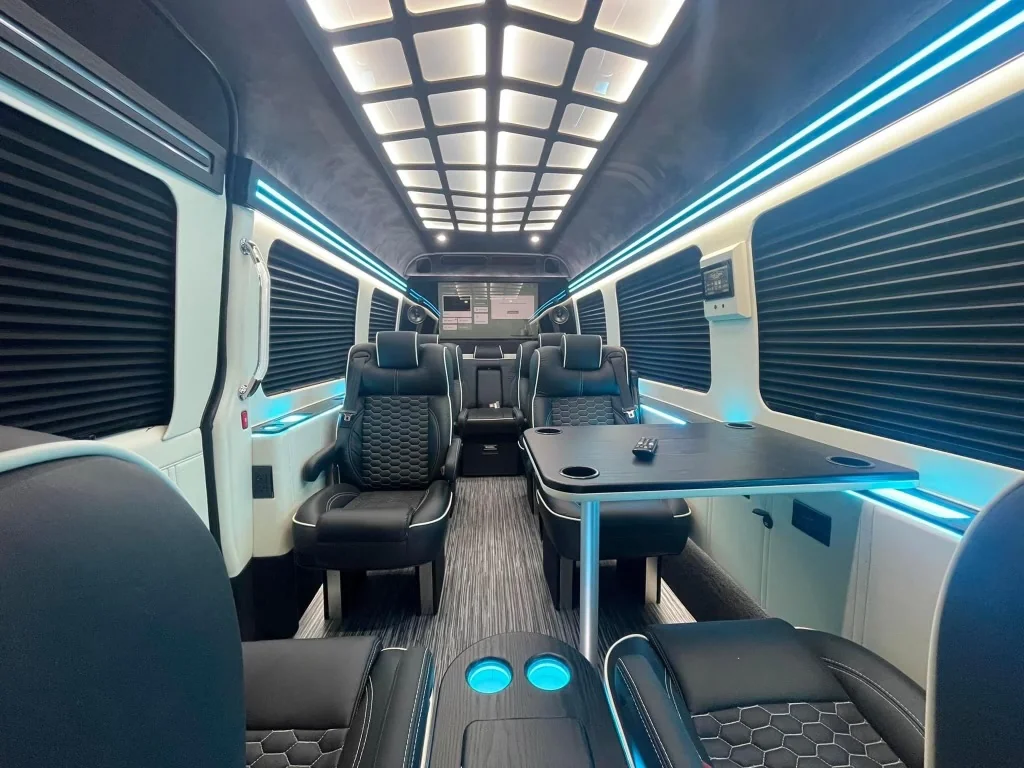
An executive sedan may suit a small party travelling light. An SUV or van enquiry is worth considering when there are more passengers or bulky bags. A coach request needs both a seating requirement and a luggage brief.
Model names and photography illustrate the class; they do not reserve a particular model. If a specific model or layout matters, put that requirement in the enquiry and check the written response before accepting.
Make access needs explicit
Describe mobility aids, their dimensions, whether they fold and the assistance the passenger needs. Tell the desk if a step, seating height or wheelchair-accessible vehicle is a deciding factor. Do not infer accessibility from an SUV or van label.
For children, include ages and requested seat types. Availability and suitability need to be confirmed for the jurisdiction and vehicle. Avoid sending unnecessary personal or medical details in the initial enquiry.
Check the final arrangement
Review passenger and luggage capacity, agreed class, pickup instructions and any special equipment in the confirmation. If the traveller adds another bag or passenger, let the desk reassess the arrangement.
For a multi-stop day, say whether luggage must remain with the vehicle between appointments. That requirement can affect the most suitable service and class.
Turn the plan into an enquiry
Share the itinerary, passengers and luggage with the PRT desk. Availability and arrangements are confirmed before travel.
Request a quote